

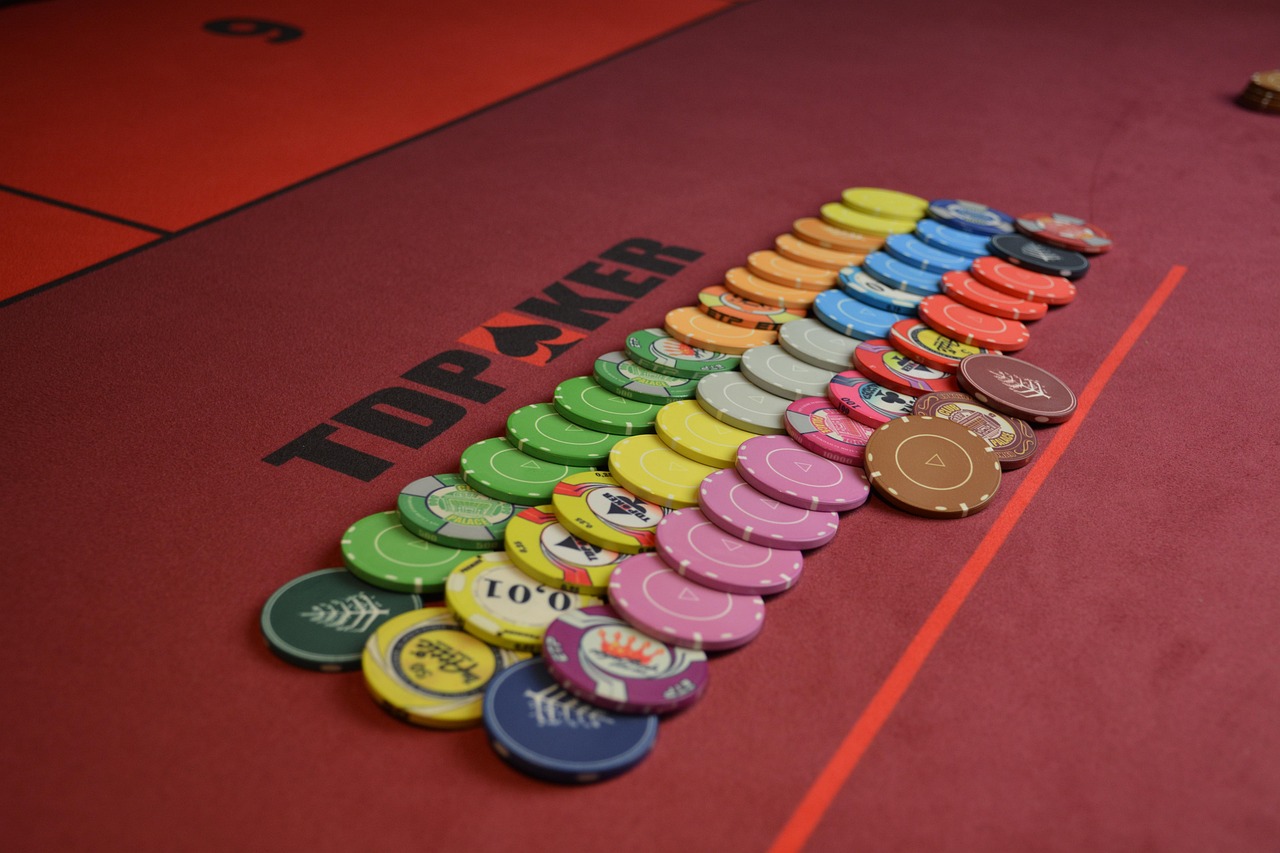
You’re staring at a 5-reel slot, the reels are spinning, and your heart rate is up. Meanwhile, a poker player across the room is calculating pot odds in their head, and a sports bettor is sweating a last-minute field goal. iGaming is a universe of adrenaline, math, and psychology—and if you want to win more than you lose, you need to understand how each vertical actually works. This isn't about lucky charms or gut feelings. It's about concrete strategies, bankroll management, and knowing when to walk away. Let's break down the three pillars of online gambling: slots, poker, and betting.
Slots are the casino's bread and butter—and for good reason. They're simple, flashy, and require zero skill. But that doesn't mean you can't play smart. The key is understanding RTP (Return to Player) and volatility. RTP is the percentage of all wagered money a slot pays back over time. A 96% RTP means for every $100 bet, the machine returns $96 on average—but that's over millions of spins. Volatility determines how often and how much you win. High-volatility slots like Book of Dead pay rarely but can hit huge. Low-volatility slots like Starburst pay small amounts frequently.
Here's a concrete tip: always check the RTP before playing. Online slots range from 92% to 97%. Over 1,000 spins at $1 each, a 95% RTP slot costs you $50 on average, while a 92% slot costs $80. That difference adds up fast. Also, look for slots with expanding wilds or free spins with multipliers—these features often boost effective RTP during bonus rounds.
Remember, slots are pure chance. No strategy changes the outcome of a spin. But managing your money and choosing the right machine can stretch your playtime and increase your chances of catching a big win.
Poker is the only iGaming vertical where long-term profits are possible through skill. But it's also the most mentally demanding. The difference between a winning and losing player often comes down to three things: position, pot odds, and player reads.
Position is everything. Acting last gives you more information. In a 6-max Texas Hold'em game, the button (dealer position) is the most profitable. You can play more hands there because you see what everyone else does first. From early position, tighten up—only play premium hands like AA, KK, QQ, AK.
Pot odds are your math compass. If the pot is $100 and your opponent bets $20, you need to call $20 to win $120. That's 6:1 odds. If your draw has better than 6:1 chance of hitting, call. Otherwise, fold. Simple, but most amateurs ignore it.
Player reads are the art. Online, you can't see faces, but you can track VPIP (Voluntarily Put Money In Pot) and PFR (Preflop Raise). A player with 60% VPIP and 5% PFR is a calling station—never bluff them. A player with 15% VPIP and 12% PFR is a nit—steal their blinds.
Poker is a grind. Even the best players win only 55-60% of sessions. The key is minimizing losses when you're card dead and maximizing wins when you're hot. บาคาร่าเว็บตรง goes into the finer points.
Sports betting is not about picking winners—it's about finding value. The odds are set by bookmakers to balance action, not to predict outcomes. Your job is to identify when the odds are wrong.
Example: A tennis match between Player A and Player B. The bookmaker sets Player A at -150 (implied 60% chance) and Player B at +130 (implied 43.5% chance). The implied probabilities sum to 103.5%—that extra 3.5% is the vig (commission). If you believe Player B actually has a 50% chance to win, then +130 is value because you're getting paid as if he had only 43.5% chance.
How do you estimate true probabilities? Use data. For NBA, look at offensive/defensive ratings, pace, rest days, and injury reports. For soccer, expected goals (xG) and home/away splits. For NFL, DVOA and weather conditions.
Also, avoid parlays unless you're doing it for fun. The house edge compounds with each leg. A 3-team parlay at standard -110 odds has a house edge of about 12.5%, compared to 4.5% for a single bet.
No matter which game you play, bankroll management separates pros from punters. Here's a simple framework:
And never play with money you can't afford to lose. iGaming is entertainment, not a retirement plan.
You've seen it: a player loses a big pot, then goes all-in on the next hand with 7-2 offsuit. That's tilt—emotional decision-making that destroys bankrolls. The same happens on slots (chasing a bonus) and betting (doubling up on a losing team).
Recognize the signs: rapid betting, ignoring strategy, feeling angry or desperate. When you feel it, stop. Take a 30-minute break. Go for a walk. The game will still be there.
Another trap is the sunk cost fallacy: “I've already lost $200, I need to win it back.” No, you don't. That $200 is gone. The next bet is a new decision. Play the odds, not your emotions.
iGaming offers incredible entertainment and, for a skilled few, real profit. But the house always has an edge in slots and betting. Your only edge comes from discipline, math, and emotional control. Treat every session as a business decision. Set limits, track results, and never bet more than you're comfortable losing. Whether you're spinning reels, bluffing a river, or sweating a parlay, the players who last are the ones who respect the game. Now go out there and play smart.

Zestycabin Written for people who value the details, and want honest guidance they can trust.

Zestycabin We spend our time finding what works so you don't have to, and sharing exactly what made the difference.

Bring layers, a torch and sturdy footwear for a glamping weekend. Check whether bedding, towels and cooking equipment are provided before you travel.

Comments
ALina Kelian
19th May 2018 ReplyZestycabin Real stories, useful guides and the occasional recommendation, all in one calm corner of the web. ullamco laboris nisi ut aliquip ex ea commodo consequat.
Rlex Kelian
19th May 2018 ReplyZestycabin Real stories, useful guides and the occasional recommendation, all in one calm corner of the web. ullamco laboris nisi ut aliquip commodo.
Roboto Alex
21th May 2018 ReplyZestycabin We spend our time finding what works so you don't have to, and sharing exactly what made the difference. ullamco laboris nisi ut aliquip ex ea commodo consequat.