

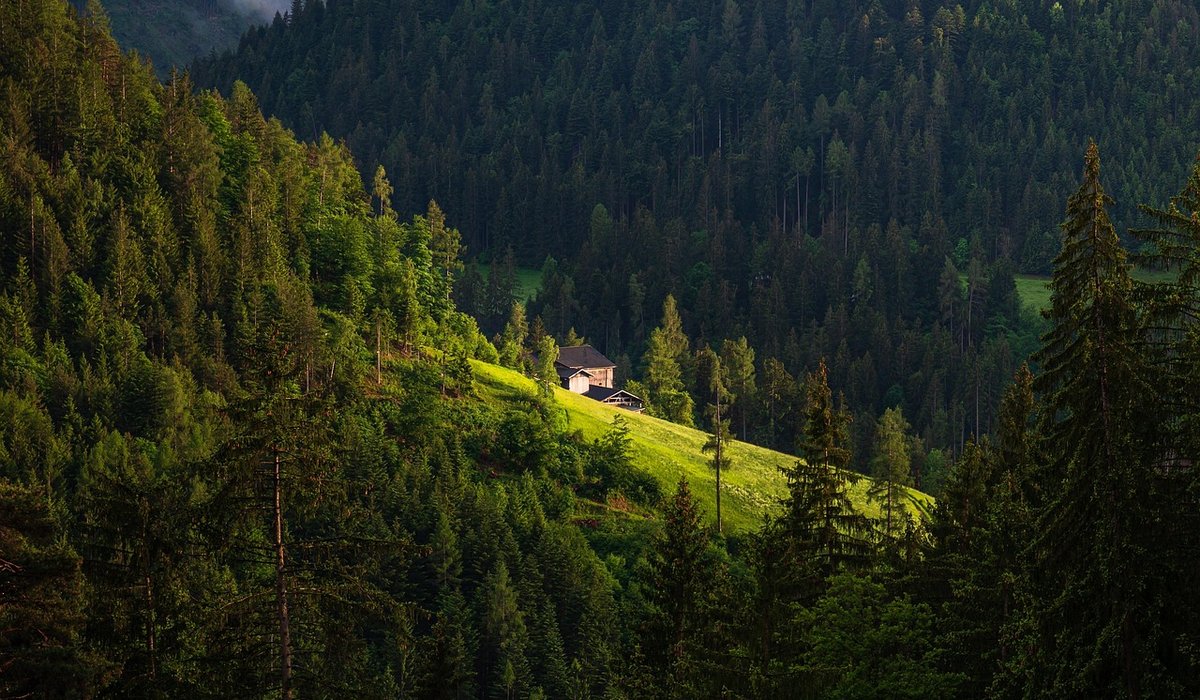
Half the work of a safe fire pit happens before you've lit anything. Pick your position with real care, because a cabin garden is usually tighter than it looks — timber walls, fences, hanging branches and dry grass all sit closer than you think.
Aim for at least three metres of clear space between the fire pit and anything that can burn: the cabin itself, shed walls, log stores, fences, hedges, garden furniture and bin stores. Look upwards as well as sideways. Low-hanging branches and conifer canopies catch sparks and radiate heat downwards, so you want a good three metres of clear air above the flames. If you're on a slope, remember that heat and embers travel uphill.
Stand the pit on a stable, non-flammable surface. Bare earth, gravel or stone paving are ideal. Decking is a firm no — even treated boards scorch, and a hot base can smoulder underneath for hours. If you must use a wooden deck, raise the pit on a purpose-made heat mat or a slab of paving stone with an air gap, and never leave it alone for a second. Keep a watering can or bucket handy to damp the surrounding grass if the weather has been dry.
Don't rely on a dash to the kitchen tap if something goes wrong. Before lighting, have these to hand:
Keep children and dogs at a set distance with a simple rule: no one crosses the ring of chairs without an adult. A two-metre exclusion zone works well, and it gives you somewhere to retreat when the wind shifts.
Start small. A modest fire is easier to control and just as pleasant to sit round. Begin with a bed of ash or a thin layer of sand in the base, then build a loose pyramid of dry kindling — small twigs, cardboard-free firelighters or a natural wax starter — with one or two seasoned logs on top. Leave gaps for air.
Light from the side, upwind, using your long lighter. Resist the temptation to douse it in lighter fluid or petrol. Accelerants flare unpredictably and can singe eyebrows, fences and cabin cladding in a heartbeat. Charcoal starter chimneys are a safer option if you want a quick, even burn.
Only burn dry, seasoned wood or kiln-dried logs. Avoid treated timber, painted offcuts, pallet wood, plywood and any driftwood that's been in saltwater — these release toxic fumes and spitting embers. Never burn rubbish, plastic or garden waste.
Once the fire is established, feed it one log at a time. A fire loaded with five logs will throw sparks; a fire with two will glow quietly and behave.
Wind is the single biggest factor in fire pit incidents. If gusts are strong enough to bend the birch saplings, leave it for another evening. Even a light breeze can carry embers onto a dry hedge ten metres away, and smoke will chase your guests from one side of the garden to the other.
Check the wider picture too. Long dry spells, hosepipe bans and local wildfire warnings all mean a fire pit stays unlit. In the UK, many rural areas and national parks operate smoke control areas, and some cabin sites, campsites and holiday lets have their own rules about open flames. Ask the owner or check the site noticeboard — it takes two minutes and saves an awkward conversation.
Be a good neighbour. Smoke drifting into a washing line, an open window or a neighbouring garden is one of the quickest ways to sour a relationship in a small village. Burn dry wood, keep the fire hot rather than smouldering, and shut it down if the wind turns towards next door.
When the last guest heads inside, don't just walk away and let it die down. Spread the logs and embers with a metal poker, then drown, stir and drown again with water. Stir the ash to reach the hot pockets underneath, add more water, and repeat until there's no hiss and no glow. Sand works equally well if you're short on water.
Feel the heat with the back of your hand a good distance above the ash. Embers can stay hot for many hours, and ash can reignite in a breeze. Tip cooled ash into a metal bucket, never a plastic bin or a paper bag, and leave it outside overnight before disposing of it.
Finally, glance around your garden before bed. A spark that landed on dry grass can smoulder quietly for a long time. A quick torch sweep of the fence line and hedging is a small habit that keeps cabin evenings something to look forward to rather than something to worry about.

Zestycabin Written for people who value the details, and want honest guidance they can trust.

Zestycabin We spend our time finding what works so you don't have to, and sharing exactly what made the difference.

Travel midweek, book outside school holidays and choose basic cabins to save money. These simple choices make romantic breaks more affordable.

Comments
ALina Kelian
19th May 2018 ReplyZestycabin Real stories, useful guides and the occasional recommendation, all in one calm corner of the web. ullamco laboris nisi ut aliquip ex ea commodo consequat.
Rlex Kelian
19th May 2018 ReplyZestycabin Real stories, useful guides and the occasional recommendation, all in one calm corner of the web. ullamco laboris nisi ut aliquip commodo.
Roboto Alex
21th May 2018 ReplyZestycabin We spend our time finding what works so you don't have to, and sharing exactly what made the difference. ullamco laboris nisi ut aliquip ex ea commodo consequat.